What Is a Crossbite?
A crossbite is a bite misalignment where one or more upper teeth sit inside the lower teeth when you close your mouth, instead of outside where they belong. It can involve the front teeth (anterior crossbite), the back teeth (posterior crossbite), one side of the mouth or both.
Crossbites fall into two main types:
- Dental crossbite. Individual teeth are tipped or rotated into the wrong position.
- Skeletal crossbite. The upper jaw is narrower than the lower jaw, causing a width mismatch.
This isn’t just a cosmetic concern. An untreated crossbite can cause uneven tooth wear, gum recession, jaw strain and uneven jaw growth in kids. The good news is that every type of crossbite is treatable, and Dr. Johnson treats patients of all ages with care tailored to the cause.
How Dr. Johnson Diagnoses and Fixes a Crossbite
Fixing a crossbite starts with pinpointing whether it’s dental or skeletal. At Johnson Orthodontics, Dr. Johnson uses an in-person exam, 3D imaging and X-rays to see exactly what’s happening with each tooth and the jaw underneath. This step matters because dental and skeletal crossbites call for very different treatments.
Here’s how the process typically works:
- Evaluation and imaging. Dr. Johnson reviews your bite, takes digital scans and studies jaw growth patterns to confirm the type of crossbite.
- Expansion for kids with a narrow upper jaw. A palate expander gently widens the upper arch while a child is still growing, creating room for teeth to line up. This is often the first step for a skeletal crossbite.
- Braces. Metal or clear braces give Dr. Johnson precise control over tipped, rotated or stuck teeth, which makes them a strong choice for moderate to severe cases.
- Clear aligners. For mild to moderate dental crossbites, Invisalign clear aligners can shift teeth into the right position discreetly.
- Elastics. Small rubber bands help coordinate the upper and lower arches so they meet correctly.
- Surgery. This is reserved for severe skeletal cases in adults whose jaw bones have finished growing and won’t respond to expansion alone. In these cases, orthodontic treatment is paired with care from an oral surgeon.
Most patients don’t need surgery. Early evaluation often means simpler treatment, which is one reason timing matters so much with crossbites.
Benefits of Correcting a Crossbite
Fixing a crossbite does more than straighten a smile. It protects your long-term oral health and can ease daily discomfort you may not realize is bite-related.
- Protects your enamel. When your bite is balanced, chewing forces spread evenly across your teeth instead of wearing down a few of them.
- Lowers the risk of gum recession. Teeth in the wrong position can pull gum tissue away over time. Repositioning them helps the gums stay healthy.
- Eases jaw strain. A misaligned bite makes the jaw muscles work harder, which is often tied to TMJ discomfort, soreness and tension headaches.
- Supports even jaw growth in children. When a child’s jaw shifts sideways to close, growth can become uneven. Early treatment keeps development on track.
- Can improve speech. Some crossbites, especially in the front teeth, contribute to a lisp or make certain sounds harder to say.
- Balances the face and smile. A well-aligned bite supports facial symmetry and gives you a smile you’ll want to share.
According to the American Association of Orthodontists, treating bite problems like crossbites in childhood can prevent more involved treatment later. That’s one reason the AAO recommends an orthodontic evaluation by age 7.
Treatment Options Compared
The right treatment depends on your age, how severe the crossbite is and whether the cause is dental or skeletal. Here’s how the main options compare.
- Palate expander. Best for a narrow upper jaw in kids and younger teens. It’s often the first step before braces and works while the palate is still growing.
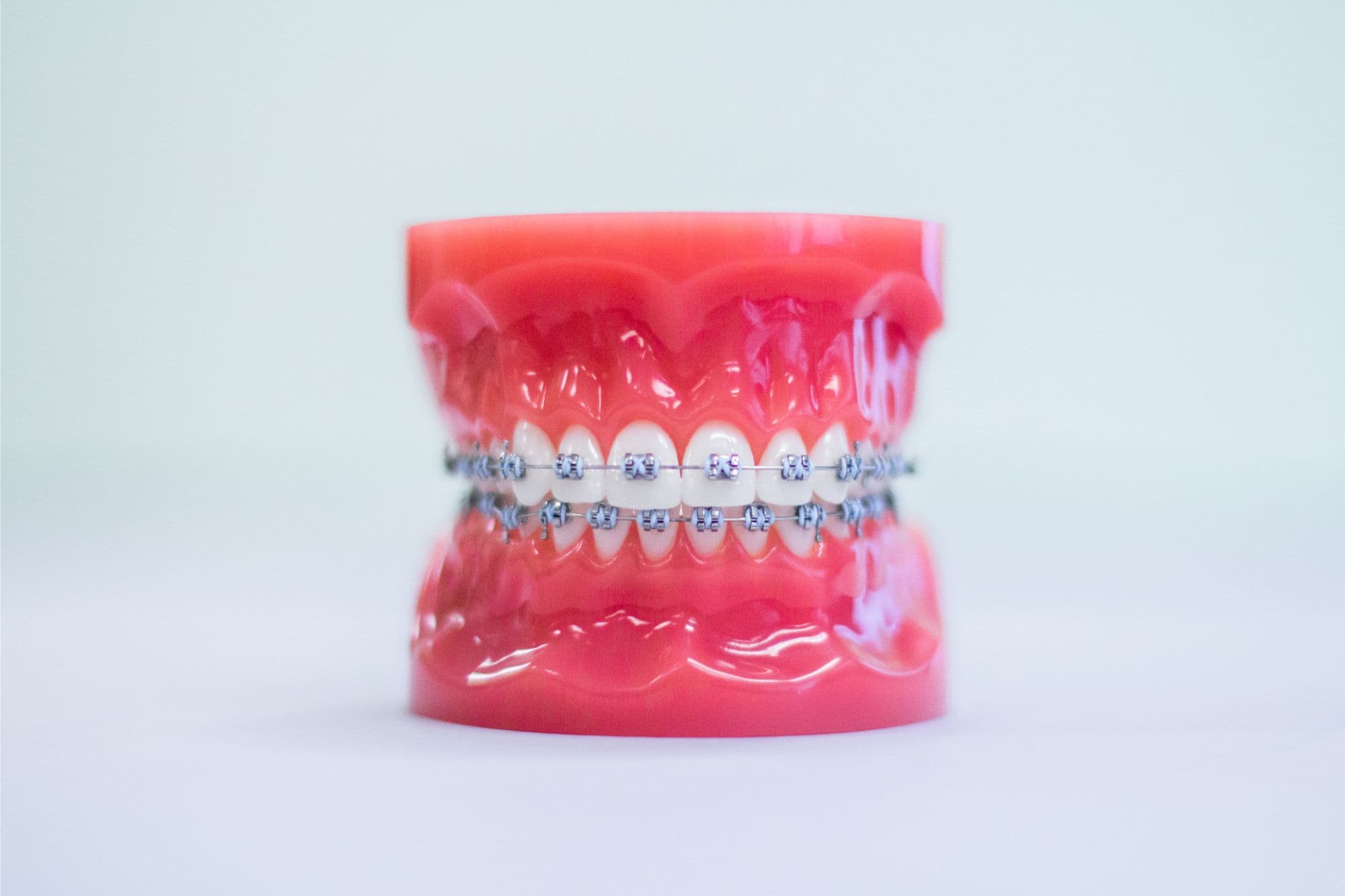
- Metal or clear braces. Best for moderate to severe crossbites or several teeth at once, in kids, teens and adults. Braces offer precise control over complex tooth movement.
- Invisalign clear aligners. Best for mild to moderate dental crossbites in teens and adults. They’re discreet, removable and easy to fit into a busy schedule.
- Surgery. Reserved for severe skeletal crossbites in adults when the jaw can’t be widened without it.
Dr. Johnson and his team will walk you through every option during your consultation so you know exactly what’s recommended and why.
What Affects the Cost of Crossbite Treatment
The cost of crossbite treatment depends on severity, the appliances used and how long treatment takes. Dental crossbites that need only braces or aligners are usually simpler than skeletal crossbites that need an expander or a combined approach. Johnson Orthodontics offers a free consultation so you can get a clear, personalized estimate before committing to anything.
- Severity and type. Dental crossbites are typically simpler to treat than skeletal ones.
- Appliances used. Expanders, braces and clear aligners each carry different costs, and some patients need more than one.
- Treatment length. Longer treatment means more visits and adjustments.
- Age at treatment. Early treatment in kids is often simpler than waiting until adulthood.
- Insurance and financing. Orthodontic benefits and flexible payment options can make treatment more manageable, and our team will help you understand what’s covered.
Who Needs Crossbite Treatment?
Crossbites don’t correct themselves, so if one is present, treatment will be needed at some point. The question is usually when, not if. Dr. Johnson evaluates kids, teens and adults to find the right timing for each patient.
You or your child may benefit from crossbite treatment if you notice:
- The jaw shifting sideways when biting down. This is a classic sign of a posterior crossbite.
- Uneven tooth wear. Some teeth look shorter or more worn than others.
- Upper teeth tucked behind the lower teeth. This is easiest to see with front crossbites.
- Chewing on one side. Many people with crossbites favor one side without realizing it.
- Speech changes. A lisp or trouble with certain sounds can be bite-related.
Crossbite Treatment by Age
- Kids (age 7 and up). Early treatment with an expander can prevent bigger problems later, and it’s often quick and comfortable for young patients.
- Teens. Active growth makes the teen years an ideal window for braces or Invisalign, and most teens love watching their new smile come together.
- Adults. It’s never too late. Adult treatment works very well, especially for dental crossbites.
- Patients with contributing habits. Thumb sucking, prolonged pacifier use or chronic mouth breathing can contribute to crossbites and may need attention alongside treatment.
Planning around each patient’s age and bite is a big part of why so many families in Rehoboth Beach and beyond trust Johnson Orthodontics with their smiles.
Frequently Asked Questions About Crossbites
How expensive is it to fix a crossbite?
The cost depends on the type of crossbite, the appliances used and how long treatment takes. Mild dental crossbites treated with aligners or braces are usually simpler than skeletal cases that need an expander. The best way to get a clear number is a free consultation, where Dr. Johnson will review your situation and give you a personalized estimate.
Can Invisalign fix a crossbite?
Yes, Invisalign can fix many mild to moderate dental crossbites, especially in teens and adults. It works well when the issue is tooth position rather than jaw width. For skeletal crossbites or more complex cases, Dr. Johnson may recommend braces or an expander instead.
Is it normal for an 8-year-old to have a crossbite?
Crossbites do appear in young children, and age 8 is actually a good time to address them. The upper jaw is still growing, so a palate expander can gently widen it without surgery. The AAO recommends an orthodontic evaluation by age 7 for exactly this reason. Catching issues early makes treatment simpler.
Can a crossbite fix itself?
No. A crossbite will not correct on its own, and leaving it untreated can lead to uneven wear, gum recession, jaw strain and uneven growth in kids. The sooner it’s evaluated, the more treatment options are usually available.
Can adults fix a crossbite without surgery?
Often, yes. Adults with dental crossbites, and some with mild skeletal crossbites, can be treated with braces or Invisalign. Surgery is usually only considered for severe skeletal crossbites in adults whose jaw bones have finished growing. Dr. Johnson will review your imaging and tell you honestly whether non-surgical treatment is the right fit.
Ready to see what treatment could look like for you or your child? Schedule a free consultation with Dr. Johnson at our Rehoboth Beach office, 18947 John J. Williams Highway, Suite 310. Your smile is your signature, and we’d love to help make it an extraordinary one.