Wondering if your little one’s smile is developing the way it should? You’re not alone. Many parents notice small things, like a shifting jaw or a stubborn thumb-sucking habit, and ask when to bring in an expert. The signs your child needs an orthodontist before age seven aren’t always obvious, but spotting them early can make a real difference. At Johnson Orthodontics, Dr. Johnson helps families identify these clues early and plan ahead.
What Is Early Orthodontic Treatment (and When Does It Start)?
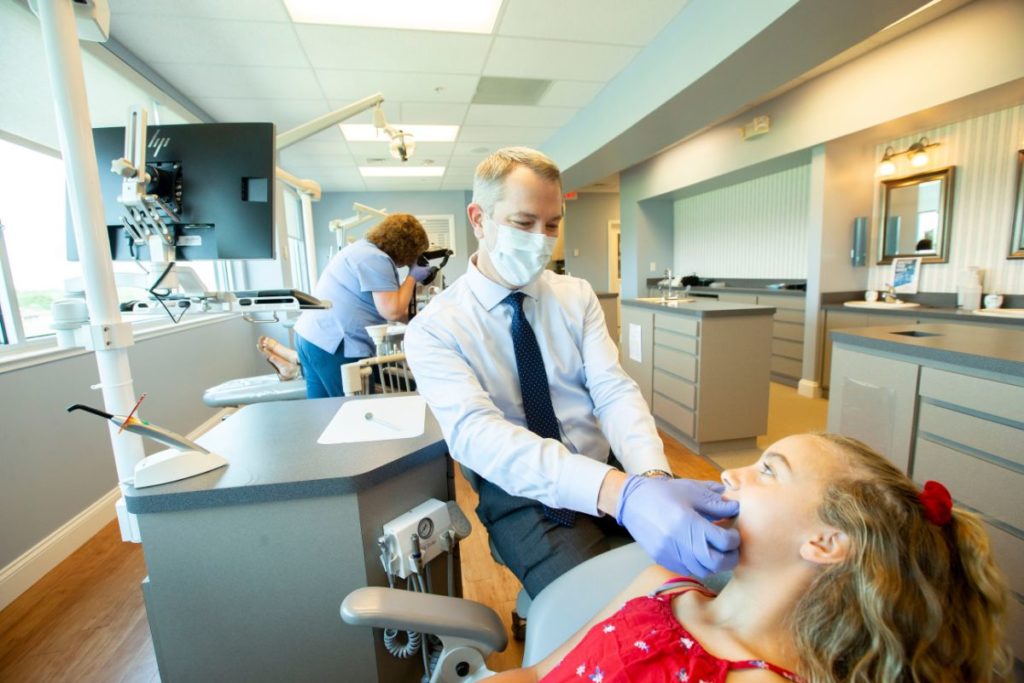
Early orthodontic treatment, also called interceptive orthodontics, is care given while a child’s jaws and teeth are still developing, starting with a first exam by age 7. At this stage, Dr. Johnson can spot bite issues, guide jaw growth, and map out a plan ahead of time, even when no treatment is needed right away.
The American Association of Orthodontists recommends that first orthodontic exam by age 7 for exactly this reason. Getting ahead of developing concerns gives families more options and fewer surprises down the road.
Early care is often split into two stages:
- Phase 1: Happens between ages 6 and 9, while baby and permanent teeth are both present. The goal is to correct problems before they get bigger.
- Phase 2: Usually starts in the tween or teen years once most permanent teeth have come in. This phase aligns the full smile.
Here’s the good news: most kids don’t need orthodontic appliances at age 7. They simply need a baseline. Early visits help identify concerns like crossbites, crowding, or harmful habits before they become harder to correct.
Why Does Age Seven Matter for an Orthodontic Evaluation?
By age 7, your child has a mix of baby teeth and permanent teeth. That combination gives Dr. Johnson a helpful window into how the bite is forming and how adult teeth are erupting. It’s the right time for early detection.
At an early evaluation, Dr. Johnson will:
- Map the eruption pattern of incoming permanent teeth
- Check bite alignment, jaw position, and symmetry
- Look for signs of crowding, spacing, or crossbite
- Review habits like thumb-sucking or mouth breathing
- Decide if care is needed now, later, or not at all
Because the jaw is still growing, it’s easier to influence development at this age. Addressing problems now can often reduce the need for extractions or surgery later. A with our team gives parents a helpful starting point without any pressure.
Signs Your Child Needs an Orthodontist Before Age Seven: What to Watch For
You don’t need to be an expert to notice something’s off. Kids often show subtle clues that their smile could use a closer look. Below are the most common signs parents pick up on at home:
Tooth and Bite Signs
- Baby teeth that fall out too early or stick around too long
- Crowded, crooked, or blocked-out teeth
- Teeth that don’t meet correctly when biting down
- A crossbite (top teeth sitting inside the bottom teeth)
- Gaps that seem unusually wide
Habit-Related Signs
- Thumb-sucking or pacifier use past age 5
- Tongue thrusting when swallowing or speaking
- Mouth breathing during the day or at night
- Snoring or restless sleep
Function and Development Signs
- Trouble chewing, biting, or tearing food
- Jaw clicking, popping, or shifting to one side
- Facial asymmetry when smiling or resting
- Speech issues linked to tooth or jaw position
- Frequent cheek or tongue biting
If your child shows even one or two of these signs, that’s a solid reason to schedule an early evaluation with Dr. Johnson. A quick visit can rule out bigger issues or identify small ones before they grow.
Treat Now vs. Monitor Later: How Orthodontists Decide
Not every finding calls for immediate treatment. Some kids benefit from starting Phase 1 right away, while others do best with regular check-ins as they grow. Dr. Johnson weighs severity, growth stage, and habits to make the right call.
Regular check-ins are a big part of the process. Many kids visit every 6 to 12 months during the growth years so Dr. Johnson can track changes and step in at the ideal moment.
What Affects the Cost of Early Orthodontic Care?
The cost of early orthodontic care depends on the type of treatment, length of care, and appliances used. Phase 1 care is usually shorter and more focused than a full set of orthodontic appliances, so it often costs less than a complete plan. At Johnson Orthodontics, initial evaluations are typically , which makes it easier for families to get started.
Cost factors include:
- Scope of care: A short Phase 1 plan differs from full Phase 2 treatment later on.
- Appliance type: Palatal expanders, partial orthodontic appliances, space maintainers, or habit appliances each have different costs.
- Length of treatment: Some Phase 1 plans last 6 months, others up to 18 months.
- Follow-up visits: Ongoing monitoring appointments may be part of the plan.
- Insurance and payment plans: Many orthodontic plans include child benefits, and flexible payment options can spread costs over time.
The best way to get an accurate estimate is a free consultation with Dr. Johnson, where you’ll receive a unique and personalized treatment plan and straightforward pricing. Families appreciate knowing what to expect before any commitment, and Dr. Johnson takes time to answer every question along the way.
Is Your Child a Candidate for Early Treatment?
Not every child needs Phase 1 care, but some benefit greatly from it. Use this checklist to see if an early evaluation makes sense for your family:
- My child is between ages 6 and 9
- I’ve noticed crowded, crooked, or blocked-out teeth
- My child has a crossbite or unusual bite pattern
- Thumb-sucking or pacifier use continues past age 5
- My child breathes through their mouth or snores at night
- I’ve seen jaw shifting, clicking, or asymmetry
- Baby teeth fell out early or are staying in too long
- Chewing or biting food seems difficult
- Speech is affected by tooth or jaw position
If you checked one or more boxes, booking a visit is worth your while. Dr. Johnson will look at whether the issue is skeletal (jaw-based) or dental (tooth-based), and recommend the right next step. Sometimes that step is treatment. Often, it’s simply keeping an eye on things until the timing is right. Either way, you’ll leave with a solid understanding of your child’s smile and what comes next.
Frequently Asked Questions About Early Orthodontics
At what age should my child first see an orthodontist?
The American Association of Orthodontists recommends a first orthodontic exam by age 7. At this stage, enough permanent teeth have come in for Dr. Johnson to identify developing issues like crossbites, crowding, or jaw growth problems, while there’s still time to guide things naturally.
Does early treatment mean my child will need braces twice?
Not always. Phase 1 treatment addresses specific issues while your child is growing, and some kids won’t need Phase 2 orthodontic appliances later. Others may benefit from a shorter Phase 2 to finish aligning their smile. Dr. Johnson will explain what to expect based on your child’s needs.
Will my child definitely need treatment if we visit at age 7?
No. Most children who come in for an early evaluation don’t need immediate care. The visit is about creating a baseline so Dr. Johnson can monitor growth and step in only if and when the timing is right.
How long does Phase 1 treatment take?
Phase 1 typically lasts 6 to 18 months, depending on what’s being corrected. After Phase 1, there’s usually a resting period where permanent teeth continue to come in before deciding on any further care.
Is the first orthodontic consultation really free?
In most cases, yes. Johnson Orthodontics for new patients and families. You’ll receive a full exam, digital, 3D images if needed, and honest answers, all with no pressure to begin treatment. It’s a low-commitment way to understand your child’s smile.
Can thumb-sucking really affect my child’s teeth?
Yes. Prolonged thumb-sucking past age 5 can push the front teeth forward, narrow the upper jaw, and change how the bite develops. The good news is that early intervention, sometimes with a simple habit appliance, can help stop the habit and support healthy growth. Dr. Johnson and his team can walk you through the gentlest options if your child struggles to break the pattern.
Your smile is your signature, and your child’s smile deserves expert care right from the start. If you’ve noticed any of the signs above, or you’re simply not sure, we’d love to meet your family. Reach out to Johnson Orthodontics to schedule a free consultation and start your child’s extraordinary new smile.